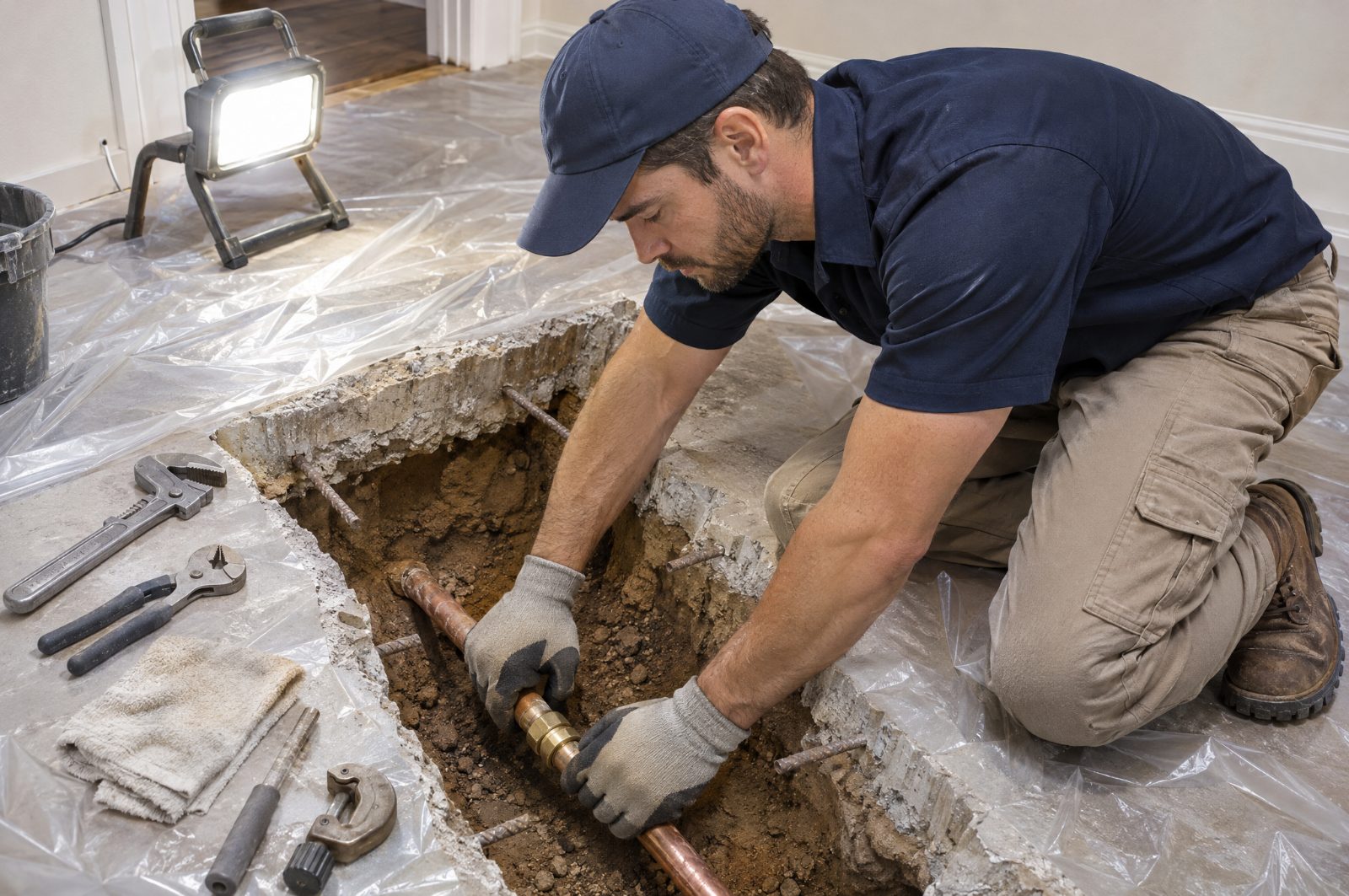
Frisco Slab Leak Repair
Slab Leak Repair Frisco in Frisco, TX
Notice a leak, warm floor, or unexplained water use? Let us help you figure out what is happening. Get a Free Estimate
Frisco Slab Leak Repair
Notice a leak, warm floor, or unexplained water use? Let us help you figure out what is happening. Get a Free Estimate
A slab leak can be difficult to understand because the plumbing problem may be underneath the concrete foundation rather than somewhere you can see. Slab Leak Repair Frisco helps homeowners in Frisco identify the signs of an underground plumbing leak, narrow down where the problem is located, and plan the repair without turning a confusing situation into guesswork. If you are noticing unexplained water use, damp flooring, warm spots, sounds of running water, or water appearing where it should not, the first step is understanding whether the source could be beneath the slab.
Frisco has a mix of established neighborhoods, newer master-planned communities, townhomes, and homes built during different periods of the city's rapid growth. That variety matters when a plumbing problem develops. The location of the plumbing, the home's construction, the surrounding soil, the accessibility of the affected area, and the type of leak can all influence how a slab leak is approached. We keep the conversation focused on your home, the symptoms you are seeing, and the practical steps needed to locate and repair the problem.
We see slab leak repair as a problem-solving job first. A homeowner may know that something is wrong without knowing whether the cause is a plumbing line, a fixture, a drainage issue, a surface leak, or a leak beneath the foundation. Our role is to help separate those possibilities and focus attention on the actual source. That means listening to what changed in the home, looking for patterns in the symptoms, and treating the foundation and plumbing system as connected parts of the same problem.
Our connection to Frisco is part of how we approach the work. Frisco grew from a small agricultural and railroad community into a large North Texas city with neighborhoods spread across a broad area. Homes near older parts of town have a different history from houses in newer developments, yet both can have plumbing concerns that deserve careful attention. We serve homeowners with the same goal throughout the area: make the problem easier to understand, explain what needs to happen next, and keep the repair focused on the source rather than unnecessary work.
More about us
Slab Leak Repair Frisco is focused on slab leak repair, with attention to locating the affected plumbing, understanding the leak, planning access, completing the repair, and checking the result.
Locate and repair plumbing leaks beneath concrete slab foundations with a focused, practical approach.
Learn more →We serve Frisco and nearby Collin County communities where homeowners may encounter similar foundation and plumbing conditions. In Frisco, we work across established areas and newer neighborhoods, including communities around Stonebriar, Newman Village, Chapel Creek, The Grove, Hunters Creek, and other residential parts of the city. The goal is not to assume every home has the same plumbing layout, but to account for the home's individual construction and the symptoms being reported.
Our service area also includes Prosper, Allen, and McKinney. Each community has its own mix of older properties, established subdivisions, expanding neighborhoods, and newer construction. That local variety makes a careful diagnosis especially useful. If your home is in one of these communities and you suspect a leak beneath the slab,
can be a practical first step toward understanding what you are dealing with.See all service areas
We keep the work centered on identifying and repairing plumbing leaks associated with slab foundations so the homeowner can stay focused on the actual issue.
A suspected slab leak can be stressful when the source is hidden. We explain what the symptoms can indicate and what needs to be checked before repair decisions are made.
Frisco and nearby communities contain homes from many development periods. We consider the neighborhood, home construction, plumbing layout, and visible symptoms rather than treating every property the same.
Once the likely source is understood, the work can be planned around access, the affected plumbing, the surrounding area, and the need to verify the repair afterward.
A slab leak is not always obvious at the beginning. Water can travel through soil, concrete, flooring materials, or other pathways before it becomes visible. That is why a homeowner may notice a symptom without seeing an actual leak. The first part of the process is usually to understand what has changed. A sudden increase in water use, a sound of water when fixtures are off, a warm section of floor, dampness, a persistent musty area, or a drop in water pressure can all be reasons to investigate. None of these signs alone proves that a slab leak exists, but together they can help point the investigation in the right direction.
The location of the plumbing matters as well. A home may have supply lines running beneath the slab, and the suspected leak can be associated with a particular branch or section of the plumbing system. Finding the source means narrowing down that location before opening a large area. The goal is to use the available clues to determine where attention is needed rather than immediately disturbing more of the home than necessary.
Once the suspected area has been identified, the repair plan depends on what is actually found. The access point, plumbing material, leak location, surrounding flooring, and condition of the affected section can all change the work. A careful approach treats locating the leak and planning the repair as connected steps. If you are hearing water movement or seeing unexplained moisture,
can help you start the conversation before the problem becomes more disruptive.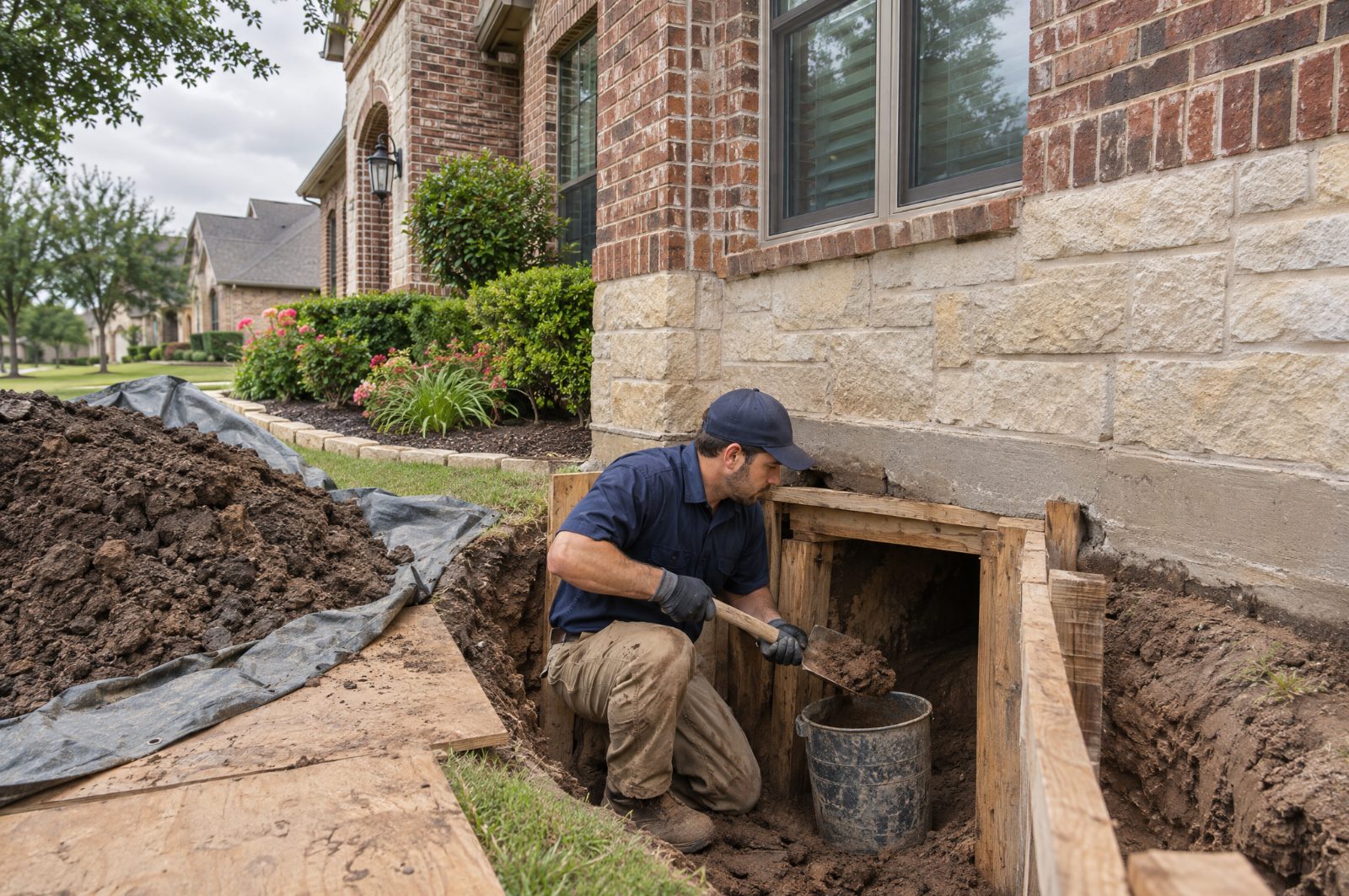
Homeowners often notice a slab leak through a collection of small changes rather than one dramatic event. One common clue is water usage that seems higher than expected even though household habits have not changed. Another is hearing water running when every faucet and appliance appears to be off. You may also notice that a section of flooring feels unusually warm, especially when the home's plumbing includes a hot-water line beneath the slab. Damp flooring, unexplained moisture along an interior area, or water appearing at the edge of a room can also deserve attention.
Some symptoms are less obvious. A home may develop a persistent smell, changes in water pressure, or a recurring damp spot that does not behave like an ordinary spill. Flooring can also react to moisture. Depending on the materials used in the home, water beneath or around the slab can contribute to changes that look like a flooring problem even though the underlying cause is plumbing.
The important point is not to diagnose the leak from one symptom alone. A warm floor can have more than one explanation, and water around a foundation does not automatically mean a supply-line leak beneath the slab. Looking at the full pattern gives a better starting point. In a rapidly developed area such as Frisco, homes vary considerably in age and construction, so the same symptom can have different causes. If something about your home's water use or flooring suddenly seems unusual,
is a reasonable next step.There is no single repair approach that fits every slab leak. The scope depends first on where the leak is located and what kind of plumbing is affected. A leak in one accessible section may require a different approach from a problem located beneath finished flooring, a wall, or another part of the home. The type and condition of the plumbing can also affect how the repair is planned. The surrounding soil and foundation conditions may be relevant when deciding how to access the affected area.
The home itself is another important factor. A newer house in a large planned neighborhood may have a different plumbing layout from an older home closer to central Frisco. Floor coverings can also affect the practical side of access. Tile, wood, carpet, and other materials each have their own considerations when a repair requires reaching plumbing beneath the finished surface. The repair should therefore be discussed in terms of the actual home rather than a generic slab leak scenario.
The symptoms can also change the urgency of the situation. A suspected active leak can allow water to continue moving beneath or around the slab, while a smaller or intermittent problem may present differently. That does not mean every suspected leak requires the same response, but it does mean that unexplained water should not be ignored. We focus on identifying the source and explaining the repair path so you can make a practical decision based on what is actually happening at the property.
Frisco's housing landscape has changed dramatically as the city expanded from its agricultural and railroad roots into one of the major suburban communities in North Texas. That means homeowners can find established homes alongside newer construction, larger residential developments, townhomes, and properties with very different plumbing histories. Neighborhoods such as Stonebriar, Newman Village, Chapel Creek, The Grove, and Hunters Creek illustrate the range of residential environments across the city.
North Texas soil and weather can also make homeowners attentive to changes around foundations and plumbing. Periods of heat and dryness can be followed by heavy rainfall, while seasonal temperature changes affect homes and the ground around them. These conditions do not mean that a particular house has a slab leak, but they are part of the local setting in which foundation and plumbing concerns occur. Water movement around a property should therefore be considered in context rather than automatically attributed to one cause.
Local landmarks and major roads can also help describe how different parts of Frisco developed. Areas around Preston Road, the Dallas North Tollway, the historic downtown district, and the city's expanding residential corridors contain different mixes of housing and development. For a homeowner, the most important local detail is still the individual property. When a leak is suspected, the home's age, plumbing configuration, symptoms, and affected area are more useful than a neighborhood label alone.
When choosing a company for a suspected slab leak, start with how clearly the company explains the problem. Because the leak may be hidden beneath the floor, you want a process that separates symptoms from assumptions. Ask how the source will be located, what information is needed from you, and how the repair plan will change depending on what is found. A useful conversation should make the next step clearer rather than leaving you with a vague description of a complicated plumbing problem.
It is also worth asking how the company approaches access and the surrounding home. A slab leak repair can involve more than the pipe itself. Flooring, finished surfaces, the foundation area, and the path to the affected plumbing may all matter. A company that discusses those considerations before work begins is helping you understand the complete repair rather than only the plumbing portion.
Finally, pay attention to communication. Slab leak problems can create anxiety because water is moving somewhere you cannot see. You should be able to explain the symptoms you have noticed and receive a straightforward discussion of what those symptoms may mean. We believe homeowners should understand why a particular area is being investigated, what the repair is intended to accomplish, and what should be checked after the work. If you are comparing options in Frisco,
gives you a way to start with the actual condition of your home.Common warning signs include unexplained water use, water sounds when fixtures are off, warm flooring, damp areas, changes in water pressure, and recurring moisture. These signs can have other causes, so the source needs to be investigated before assuming the problem is beneath the slab.
It can. Water associated with a plumbing leak may affect flooring or materials around the affected area, depending on where the water travels and how long the leak continues. The right response depends on finding the source and understanding the extent of the moisture.
There may be clues such as a warm floor, unexplained water movement, dampness, or unusual water consumption. A visible wet spot does not necessarily show the exact location of the leak, so the source should be located before repair work is planned.
It is better to investigate unexplained water use or persistent moisture rather than assume the problem will resolve on its own. An active plumbing leak can continue to move water even when the visible symptoms seem minor.
If you suspect a slab leak in Frisco, tell us what you have noticed and we can help you understand the next step.
Free — no obligations